Coping with Highs and Lows
Being an equestrian comes with highs and lows. Let’s talk about ways to cope when things aren’t going as well as you hope.
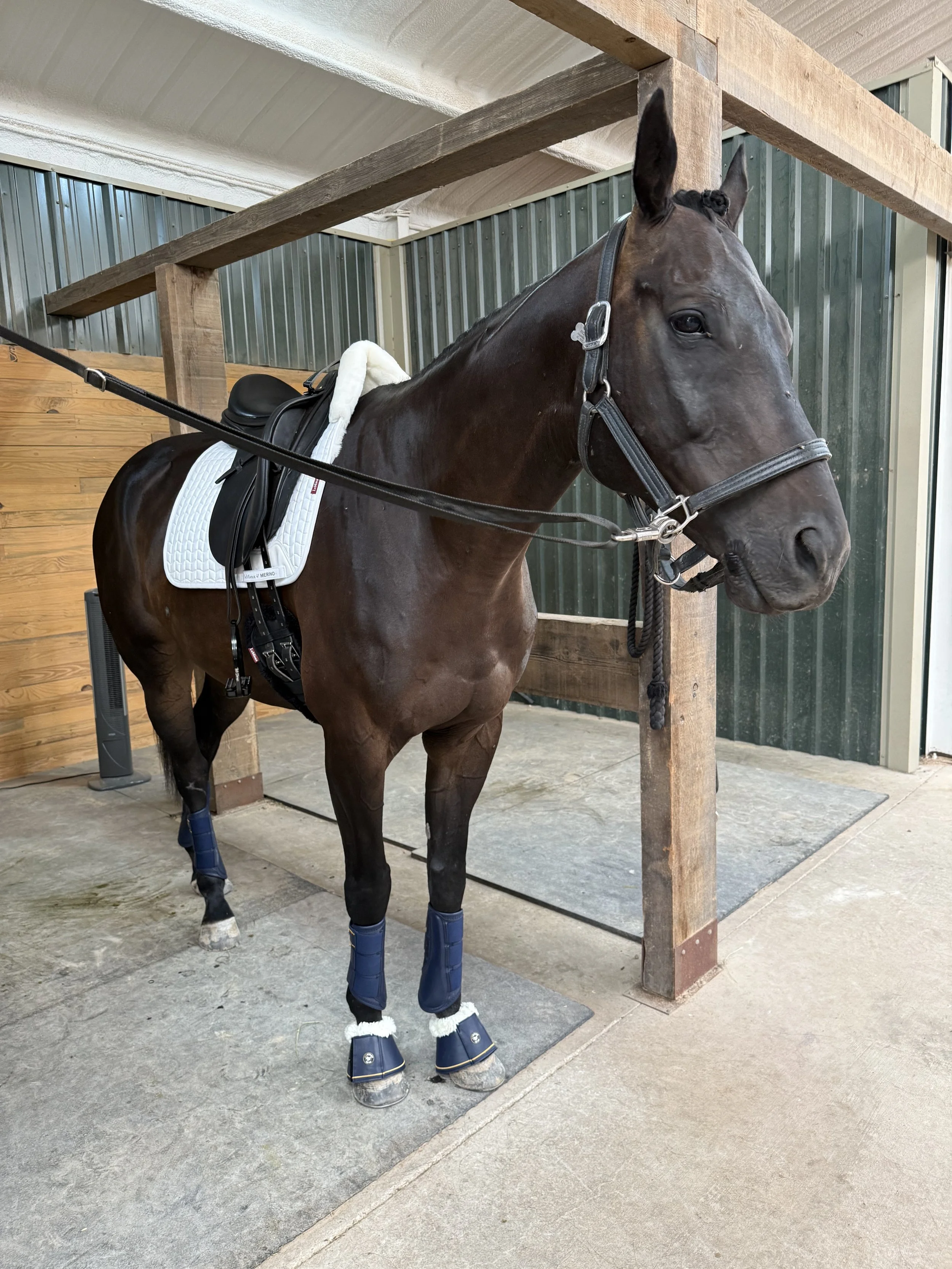
Getting show-ready
We all strive to progress and reach our goals in life. Most humans seek self-actualization which usually means we work to improve ourselves in the areas we most identify with. As equestrians, we seek to meet our own goals but we work alongside our trusted equine partner. Because of this, we face a very unique set of advantages and challenges as we strive to reach our goals.
We’ve all been there… confidently preparing for an upcoming show or progressing steadily through the levels and boom, your horse pulls up lame, feels under the weather, or some other challenge is thrown at you both. Hopefully, the challenge is manageable and your horse is getting the best care possible, but we cannot deny the feeling of disappointment that comes with progress interrupted and your horse not feeling his/her best. That’s a double obstacle that most athletes will never experience: your equine partner is not just part of your athletic goals, they are also a beloved part of YOU.
When you’re experiencing a low moment (which for some can last months or more), you feel isolated, lonely, sometimes even guilty for what your horse is experiencing, and anxious for how to help them recover. One thing I can guarantee you is that you are not alone; equestrians everywhere are going through similar challenges at every level. Let’s talk through some strategies to help you through the lower moments and come out the other side feeling whole, calm, present, and connected:
MY PLAN FOR NAVIGATING A LOW POINT:
1) Spend as much time with your horse as possible
Your time together is going to look a little different for a while but it is equally as valuable (perhaps even more so) as the riding time. The bond you develop with your horse when you spend time by his/her side in their recovery phase is irreplaceable. In a quiet, non-verbal way, you’re telling them you value them for their essence, not just for their athletic abilities. You will feel uplifted by their company, even if it’s sitting on a bucket in their stall/pen - try it and see.
2) Share your struggles with your equestrian friends
I guarantee that at least one of your equestrian friends can relate to what you’re going through. Let them hear your story and what you’re struggling with. Let them be a friend to you, let them comfort you, and hear from them how they navigated a similar challenge. Relating to others is a key human need that we don’t foster enough of in our digital culture. Reflect on what they went through and see it through a human/feeling lens, you will also feel empathy for them which has great benefits for you personally as well.
3) Continue learning
There are phenomenal resources out there (free and paid) for learning more about what your horse is experiencing and what you are experiencing. I recommend finding podcasts in your equestrian field of interest and listen to how other equestrians have navigated similar challenges. Even the top professionals have been down this road countless times. They have lost beloved horses, missed Olympics/World Games due to injury, experienced tremendous heart breaks, and come out the other side to continue to pursue their dreams. The common thread among long-term successful professionals is their grateful attitude towards their horses and their determination to keep going, even after deep disappointments.
4) Construct a gentle recovery plan
Your recovery plan can be an incredibly positive journey for you and your horse. Ask your vet for exercises that can be done safely to aid recovery - you’ll be amazed at how engaging they can be, even if it’s just a mental exercise for the horse in their stall. This plan is as much for you as it is for the horse. A good recovery plan will teach you to look for tiny cues that your horse is engaging, making you a better horseman. Your horsemanship is not just the physical tasks you perform around the barn but also the mental acuity you gain by being a keen observer of your horse’s behavior and energy.
FINAL THOUGHT: be gentle with yourself - which I agree is a lot easier said than done. Being more gentle with yourself will give you space to be more present with your horse. Here’s how that works: Relaxing your own self-judgment opens up bandwidth to notice tiny changes in your horse. The less energy you give away to negative self-judgement, the more energy you CAN devote to your relationship with your horse. I once saw a quote (apologizing for not being able to give credit) - talking about easing tension and anxiety: “Breathe with your horse…” Stand by his/her side and feel their breath and energy. Allow your own breath to rise and fall with his. Releasing the breath instead of trapping it in your chest is one big way to ease tension and anxiety that we can practice any time, every day.
I wish you and your horses health and wellbeing as you travel your journey together, whether that be in the high performance world or as companions to each other!
